Block Tags: A Realistic Graffiti Display Font for Creative Expression
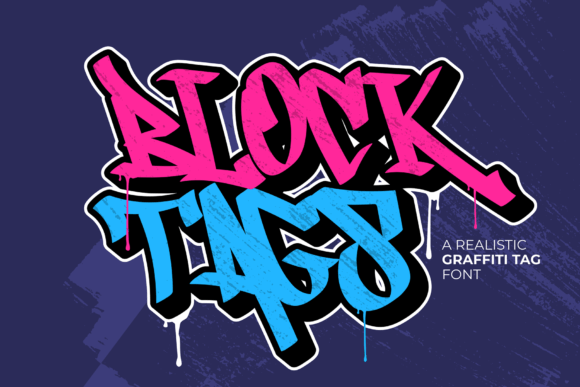
If you're looking for a font that combines the edginess of graffiti with the clarity of block letters, Block Tags might be exactly what you need. This realistic graffiti display font is designed to bring a bold, urban feel to your creative projects while maintaining readability and versatility.
Understanding Block Tags
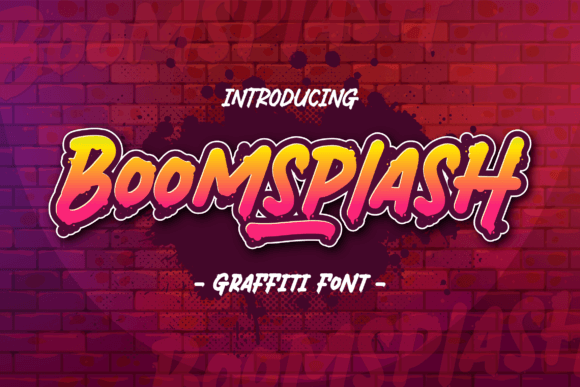
Block Tags is more than just a font—it's a tool that brings the raw energy of street art into digital design. The font mimics the look of spray-painted letters, complete with texture, irregular edges, and a sense of movement that makes it stand out. Whether you're working on a logo, a poster, or a t-shirt design, Block Tags can add a unique visual identity that grabs attention.
Practical Applications of Block Tags
One of the most common uses for Block Tags is in packaging design. Brands that want to convey a sense of rebellion or youthfulness often turn to this font to make their products stand out on the shelf. For example, a beverage company targeting young adults might use Block Tags on its label to create a fresh, energetic vibe that resonates with its audience.
In the world of logos, Block Tags can help businesses establish a strong, memorable brand presence. A fitness studio, for instance, could use the font to create a logo that feels dynamic and powerful. The graffiti-inspired style adds an element of authenticity that traditional fonts might not achieve.
For shirt designs, Block Tags offers a way to express individuality. Artists and designers often use it to create eye-catching graphics that reflect their personal style. A band might use the font on a tour shirt to give it a gritty, authentic look that appeals to fans who appreciate the underground music scene.
Real-World Scenarios Where Block Tags Shines
Event organizers frequently use Block Tags for posters and flyers. The font’s bold appearance makes it ideal for promoting concerts, art shows, or community events. Its graffiti aesthetic can also help set the tone for the event itself, especially if it’s themed around street culture or alternative art.
Labels and signage are another area where Block Tags excels. Retail stores, cafes, and even museums might use the font to create signs that feel more approachable and visually engaging. A local coffee shop, for example, could use Block Tags on its menu board to give it a trendy, artisanal feel that attracts customers looking for something different.
In typography projects, Block Tags can be used to add a layer of visual interest to headings, captions, or other text elements. Designers working on magazines, books, or digital content might incorporate it to break up monotony and add a touch of creativity without overwhelming the reader.
Who Benefits from Using Block Tags?
Graphic designers are among the biggest beneficiaries of Block Tags. It gives them a versatile tool to experiment with different styles and create designs that feel fresh and modern. Whether they're working on a client project or personal artwork, the font provides a way to inject personality into their work.
Entrepreneurs and small business owners also find value in Block Tags. They can use it to create branding materials that differentiate their products from competitors. A startup in the fashion industry, for example, might use the font on its website or social media to build a cohesive, recognizable brand image.
Artists and creators looking for inspiration can benefit from the font’s unique style. It serves as a source of motivation and a way to explore new creative directions. By experimenting with Block Tags, they can push the boundaries of their own artistic expression.
Considerations Before Using Block Tags
Before incorporating Block Tags into a project, it's important to consider the context and audience. While the font works well for certain industries, it may not be suitable for more formal or traditional settings. A law firm, for instance, might find that the graffiti style doesn't align with its professional image.
Readability is another key factor. Although Block Tags is designed to be legible, it's essential to test it at different sizes and in various formats. What looks great on a large poster might not be as effective on a small product label or a mobile screen.
Finally, users should be aware of licensing and usage rights. Depending on the platform or service they're using, there may be restrictions on how and where Block Tags can be applied. Checking these details beforehand can help avoid any legal issues down the line.
Strengths and Limitations of Block Tags
One of the main strengths of Block Tags is its ability to convey a strong visual identity. Its graffiti-inspired design makes it instantly recognizable and capable of evoking specific emotions or associations. This can be incredibly useful when trying to connect with a particular audience or message.
However, the font's style may not be appropriate for every project. In situations where subtlety or professionalism is required, Block Tags might come across as too aggressive or unrefined. Users should carefully evaluate whether the font aligns with the overall tone and goals of their work.
Despite these limitations, Block Tags remains a valuable resource for those looking to add a distinctive, urban flair to their designs. Its combination of realism and creativity makes it a go-to choice for a wide range of applications, from packaging to typography and beyond.