Croot Color: A Playful and Authentic Display Font for Creative Projects
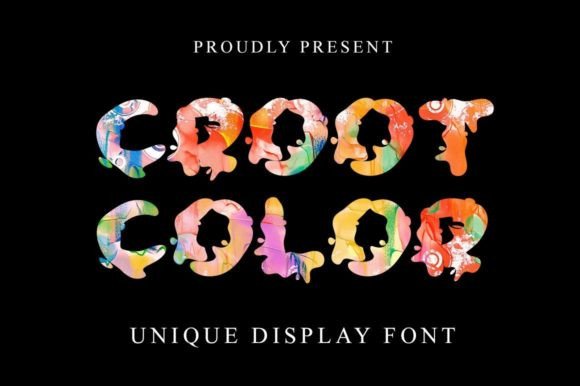
Croot Color is a distinctive display font that brings a sense of fun and authenticity to any design. Its chunky, bold lettering makes it ideal for projects that require visual impact and a touch of whimsy. Whether used in children's activities, school projects, or creative marketing materials, Croot Color adds a unique personality that stands out from more traditional typefaces.
Unlike many fonts that prioritize minimalism or readability, Croot Color embraces a more expressive style. This makes it particularly well-suited for contexts where the tone is lighthearted or imaginative. Its character is not just about aesthetics—it also influences how the message is perceived by the audience.
What Makes Croot Color Distinct?
Croot Color distinguishes itself through its bold, stylized letterforms. The font’s design incorporates exaggerated curves and thick strokes, giving it a playful yet structured appearance. This combination allows it to convey energy and creativity without sacrificing clarity.
One of the key features of Croot Color is its versatility within specific use cases. While it may not be the best choice for body text or formal documents, it shines in headlines, logos, and signage. Its visual weight and unique shape make it easy to recognize at a glance, which can be beneficial for branding or promotional materials.
The font also offers a sense of authenticity that many other display fonts lack. It doesn’t try to mimic a specific style or trend but instead presents a fresh, original approach to typography. This quality can be especially appealing to designers looking for something different from the standard options available in most font libraries.
Comparing Croot Color with Similar Fonts
When evaluating display fonts, it’s important to consider how they perform in different scenarios. Croot Color sits in a category of fonts that emphasize visual appeal over strict legibility. Other fonts in this space, such as those with similar chunky or hand-drawn styles, may offer comparable aesthetics but vary in their overall feel and usability.
For example, some fonts focus on a more modern or geometric look, while others lean into a retro or vintage vibe. Croot Color falls somewhere in between, offering a balance of playfulness and structure. This makes it a good option for projects that need to feel both engaging and professional.
Designers should also consider the context in which the font will be used. If the goal is to create a strong visual identity for a children’s brand or an educational resource, Croot Color could be an excellent fit. However, if the project requires a more neutral or sophisticated tone, alternative fonts might be more appropriate.
Strengths and Tradeoffs of Using Croot Color
One of the main strengths of Croot Color is its ability to capture attention. Its bold, eye-catching design can help highlight key messages or draw the viewer’s focus. This makes it ideal for use in posters, banners, or digital ads where immediate recognition is important.
Another advantage is its adaptability across different mediums. Whether printed on paper, displayed on a screen, or used in a digital interface, Croot Color maintains its visual integrity. This flexibility allows it to be used in a wide range of applications without losing its distinct character.
However, there are tradeoffs to consider. Because of its stylized design, Croot Color may not be the best choice for long blocks of text. It works best when used sparingly, such as in headings or short phrases. In larger quantities, it can become overwhelming or difficult to read, especially at smaller sizes.
Additionally, the font’s unique style may not align with all design themes. While it can add a creative edge to a project, it may clash with more minimalist or clean layouts. Designers should test it in different contexts to ensure it complements the overall aesthetic rather than detracts from it.
Best Fit Situations for Croot Color
Croot Color is particularly well-suited for projects that aim to engage younger audiences or evoke a sense of fun. For instance, it can be an effective choice for children’s books, classroom materials, or interactive learning tools. Its bold appearance helps maintain interest and makes content more visually appealing.
It also works well in branding for businesses targeting a youthful or creative demographic. Companies in the education, entertainment, or toy industries may find that Croot Color enhances their visual identity and reinforces their brand message. When used thoughtfully, it can create a memorable impression that resonates with the target audience.
In addition, Croot Color can be useful in event promotions, such as school fairs, art exhibitions, or community gatherings. Its energetic style can help convey excitement and encourage participation, making it a valuable tool for organizers looking to attract attention and generate interest.
When to Consider Alternatives to Croot Color
While Croot Color has many strengths, there are situations where other fonts may be more suitable. For example, if the design requires a more formal or professional tone, a serif or sans-serif font might be a better choice. These types of fonts often provide a cleaner, more refined appearance that aligns with traditional expectations.
Similarly, if the project involves a lot of text, a more readable font would be preferable. Display fonts like Croot Color are generally not optimized for extended reading, so using them in large quantities could reduce readability and user experience.
Designers should also consider the target audience when choosing a font. If the audience is primarily adults or professionals, a more subtle or elegant font may be more appropriate. In contrast, if the audience includes children or young adults, Croot Color’s playful style could be a great fit.
Practical Examples of Croot Color in Use
Imagine a school project where students are creating a poster for a science fair. Using Croot Color for the title could make the poster stand out and reflect the excitement of the event. The font’s boldness would help the headline catch attention, while its playful style would align with the educational and creative nature of the project.
Another example could be a children’s book cover. A font like Croot Color could add a sense of fun and imagination, helping to draw young readers in. It could be used for the title or key phrases, providing a visual element that complements the story’s theme.
In a marketing campaign for a new line of toys, Croot Color might be used in promotional materials to reinforce the brand’s playful identity. It could appear in slogans, product names, or advertisements, helping to create a cohesive and engaging visual theme.
Decision Factors for Choosing Croot Color
When deciding whether to use Croot Color, several factors should be considered. First, the purpose of the design plays a significant role. If the goal is to create a visually striking element that conveys energy and creativity, Croot Color is a strong candidate. However, if the focus is on clarity or professionalism, other fonts may be more appropriate.
Another factor is the intended audience. As mentioned earlier, Croot Color tends to resonate more with younger or more casual audiences. Designers should evaluate whether the font’s style aligns with the preferences and expectations of the target group.
Finally, the overall design aesthetic should be taken into account. Croot Color may work well in a design that embraces a bold or artistic approach, but it could feel out of place in a more restrained or minimalist layout. Testing the font in different contexts can help determine its effectiveness and compatibility.