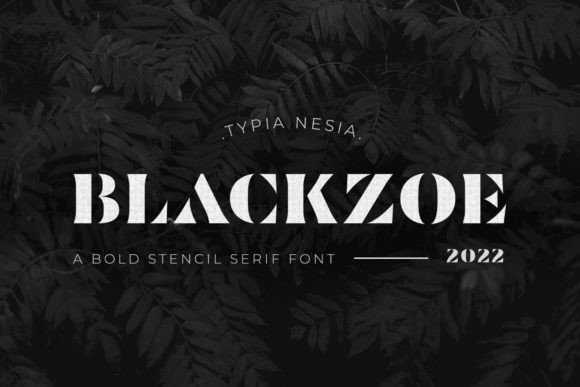
Junester: A Beautiful, Sweet, and Elegant Font for Every Project
If you're looking for a font that brings a fresh, clean, and elegant touch to your designs, Junester is the perfect choice. This beautiful and sweet font is more than just a visual element—it's a tool that can elevate your work and make your message stand out. Whether you're working on a formal document, a creative project, or a marketing campaign, Junester offers a versatile and joyful aesthetic that can enhance your design in countless ways.
Designed with simplicity and usability in mind, Junester is ideal for both beginners and professionals. Its legibility and charm make it suitable for a wide range of applications, from logos and branding to web content and social media posts. But like any design tool, using Junester effectively requires understanding its strengths and limitations.
Common Mistakes When Using Junester
While Junester is a powerful font, some users may overlook key details that can affect how it performs in different contexts. One common mistake is assuming that a font's beauty alone is enough for every project. Junester may look great in a headline, but it might not be the best choice for long paragraphs of text. Its delicate strokes and open spacing are designed for clarity and style, not for extended reading.
Another frequent error is not considering the context of the design. For example, using Junester in a professional setting without matching it with complementary fonts can lead to an unbalanced look. It's important to pair Junester with other fonts that support its elegance without overshadowing it. Similarly, using it in a digital format without testing how it renders on different devices can result in poor readability.
How to Avoid These Mistakes
To get the most out of Junester, start by understanding its intended use. If you're designing a logo or a title, Junester can add a unique and memorable flair. However, for body text, consider using a more traditional sans-serif or serif font for better readability. Always test your design across different platforms and screen sizes to ensure that Junester maintains its quality and clarity.
When pairing Junester with other fonts, choose ones that complement its style. A simple, modern sans-serif like Open Sans or Lato can provide contrast while maintaining harmony. Avoid overly decorative fonts that may clash with Junester's clean and elegant appearance.
What to Check Before Using Junester
Before incorporating Junester into your design, check for licensing and usage rights. While many fonts are available for free, some require purchase or specific licenses for commercial use. Make sure you understand the terms of use to avoid legal issues down the line.
Also, consider the file format and compatibility. Junester may be available in different formats such as OTF, TTF, or WOFF. Ensure that the version you download is compatible with the software or platform you're using. For web projects, check if the font is properly embedded and optimized for fast loading times.
Realistic Examples of Junester in Action
Imagine you're creating a website for a boutique coffee shop. Using Junester for the heading can give your site a warm and inviting feel. However, for the body text, a more readable font like Georgia or Roboto would be more appropriate. This combination keeps the design visually appealing while ensuring that your content remains easy to read.
Another example is a social media post for a wedding planner. Junester can add a romantic and elegant touch to your caption or graphic. But if you're using it in a large block of text, it might become difficult to read. In this case, use Junester for headlines or short phrases and keep longer messages in a simpler font.
Choosing the Right Version of Junester
Not all versions of Junester are created equal. Some may have variations in weight, style, or character set. Before downloading, check if the version you're using includes all the necessary characters, such as accented letters or special symbols. This is especially important if you're designing for international audiences or need to include non-English text.
Additionally, consider the weight of the font. Junester may come in light, regular, or bold styles. Choosing the right weight can significantly impact the overall look and feel of your design. For instance, a bold version might work well for a headline, while a lighter weight could be better for a subtle background element.
Final Tips for Effective Use of Junester
Junester is a versatile and attractive font that can enhance your designs when used correctly. To avoid common pitfalls, focus on its strengths and limitations. Test it in different contexts, pair it with complementary fonts, and ensure it meets your project's requirements. By taking these steps, you'll be able to leverage Junester's beauty and elegance without compromising readability or functionality.
Remember, the goal of any design is to communicate effectively. Junester can help you do that with style, but it's up to you to use it wisely. With the right approach, Junester can become a valuable asset in your design toolkit, adding a touch of joy and sophistication to your work.