Little Goose: A Joyful Font That Brings Life to Your Designs
If you're looking for a font that adds a sense of playfulness and warmth to your work, Little Goose might just be the perfect choice. This display font is designed to bring a fun and joyful vibe to any project, whether it's for branding, marketing, or personal creative endeavors. Its unique style makes it stand out in a sea of more traditional typefaces, offering a fresh and engaging alternative for those who want to make an impression.
What Makes Little Goose Special?
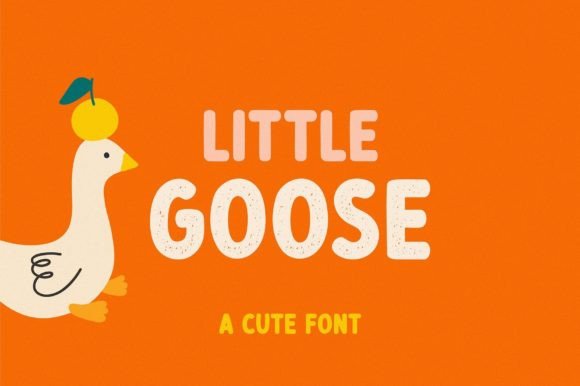
Little Goose is more than just a font—it's a personality. It combines soft curves with a slightly irregular structure, giving it a handcrafted, almost whimsical feel. This makes it ideal for projects that aim to convey creativity, energy, or a lighthearted message. From logos and headlines to social media graphics and packaging designs, this font can add a touch of charm that other fonts simply can't match.
Its versatility is one of its greatest strengths. While it's primarily a display font, it can also be used in smaller sizes for body text if the design calls for it. However, it’s important to remember that its character is best showcased in larger formats where its details can shine.
Common Mistakes When Using Little Goose
Despite its appeal, there are several common mistakes people make when working with Little Goose. One of the most frequent errors is using it in situations where clarity and professionalism are essential. Because of its playful nature, it may not be the best choice for formal documents, legal texts, or business reports. In these cases, it could undermine the message or make the content seem less credible.
Another mistake is overusing the font. Some designers try to incorporate it into every element of a design, which can lead to visual clutter and reduce its impact. It's best to use Little Goose strategically—perhaps as a headline or a key visual element—to maintain its effectiveness.
How to Avoid These Mistakes
To get the most out of Little Goose, consider the context of your project before deciding to use it. Ask yourself: Does this font align with the tone and purpose of the design? If the goal is to communicate something serious or authoritative, a more traditional font might be a better fit. On the other hand, if you're aiming for a creative, expressive look, Little Goose can be a game-changer.
Also, keep the design balanced. Use Little Goose sparingly and pair it with simpler, more neutral fonts for contrast. This helps ensure that the font stands out without overwhelming the overall composition.
Choosing the Right Version of Little Goose
Before downloading or purchasing Little Goose, it's important to check what versions are available. Some fonts come in different weights, styles, or language support, and not all of them may be suitable for your needs. For example, if you're designing for an international audience, make sure the font includes the necessary characters for the languages you’ll be using.
Additionally, verify the licensing terms. Some fonts are free for personal use but require a license for commercial projects. Failing to do so could lead to legal issues down the line, which can be costly and time-consuming to resolve.
Realistic Examples of Good and Bad Usage
Imagine you’re creating a children’s book cover. Little Goose would be an excellent choice here—it adds a sense of fun and creativity that matches the theme. The font’s playful style would complement illustrations and make the title more engaging for young readers.
On the flip side, using Little Goose for a corporate website or a financial report would likely be a poor decision. The font’s informal appearance could make the site seem unprofessional, potentially deterring visitors or damaging the brand’s image.
What to Check Before Making a Decision
Before committing to Little Goose, test it in your intended environment. Preview how it looks with your other design elements, including colors, images, and layout. This will help you determine if it complements your vision or if adjustments are needed.
Also, consider the readability of the font. While Little Goose is visually appealing, it may not be the best option for long blocks of text. Always evaluate how easy it is to read in the context of your project.
Conclusion: Make the Most of Little Goose
Little Goose is a versatile and charming font that can add a unique flair to your designs. However, like any tool, it requires thoughtful use to achieve the best results. By understanding its strengths and limitations, you can avoid common pitfalls and make informed decisions about when and how to use it.
Whether you're a designer, marketer, or hobbyist, Little Goose has the potential to enhance your work—if used correctly. Take the time to explore its possibilities, and you’ll find that it can be a valuable addition to your creative toolkit.