Manrose: A Retro, Playful Font for Modern Workflows
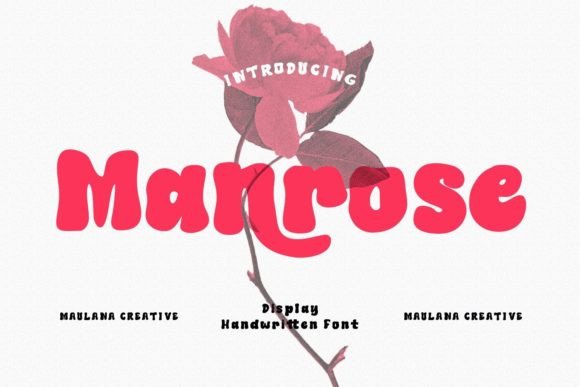
Manrose is a handwritten display font that brings a retro and cool vibe to any design project. Its groovy style and playful letters make it a standout choice for those looking to add personality and visual interest to their work. Whether you're designing a logo, creating marketing materials, or working on a personal project, Manrose offers a unique aesthetic that can elevate your output.
Understanding how to integrate Manrose into your workflow is key to maximizing its potential. From initial planning to final execution, this font can be used at various stages of a project, depending on your needs and goals. Let's explore how Manrose fits into different processes and how you can use it effectively.
What Is Manrose and Where Does It Fit?
Manrose is more than just a font—it's a tool that adds character and energy to your designs. Its handwritten appearance makes it ideal for projects that require a personal touch, such as branding, social media graphics, or creative content. Unlike standard fonts, which often feel generic, Manrose stands out with its organic, hand-drawn look.
This font works best in situations where you want to convey a sense of fun, nostalgia, or individuality. It’s particularly effective when paired with other design elements that complement its style, such as bold colors, retro patterns, or vintage imagery. However, it's important to consider the context in which you're using it. While it may be perfect for a creative project, it might not be suitable for formal documents or professional presentations.
Using Manrose in Different Workflow Stages
Manrose can be incorporated into your workflow at multiple points, depending on the nature of your task. For example, during the brainstorming phase, it can help visualize ideas and spark creativity. When designing a logo or a brand identity, it can serve as a focal point that captures attention and conveys a specific tone.
During the implementation phase, Manrose can be used to enhance the visual appeal of your work. Whether you're working on a website, a poster, or a digital ad, adding this font can make your design more engaging and memorable. It's also useful when creating content for social media, where eye-catching visuals are essential for audience engagement.
After a project is completed, Manrose can still play a role in quality control and consistency checks. Ensuring that the font is used appropriately across all materials helps maintain a cohesive look and feel. This is especially important for brands that rely on a strong visual identity to build recognition and trust.
How Manrose Interacts With Other Tools and Resources
Manrose works well with a variety of design tools and platforms. It is compatible with most graphic design software, including Adobe Photoshop, Illustrator, and Canva. These programs allow you to easily apply the font to your projects and experiment with different layouts and styles.
When working with other fonts, it's important to consider how they interact with Manrose. Pairing it with a clean, sans-serif font can create a balanced look, while using it alongside another decorative font may result in a cluttered or confusing design. Testing different combinations can help you find the right balance for your specific needs.
In addition to design tools, Manrose can be integrated with other assets such as images, icons, and color schemes. For instance, using it alongside a vintage photo or a retro illustration can reinforce the overall theme of your project. It's also worth considering how the font will appear in different formats, such as print versus digital, to ensure consistency across all mediums.
Practical Implementation Tips
To get the most out of Manrose, start by identifying the purpose of your project. Are you trying to create a playful brand identity, or do you need a font that adds visual interest to a specific piece of content? Once you have a clear goal, you can determine where and how to use the font effectively.
One practical tip is to use Manrose sparingly. While it's visually appealing, overusing it can make your design look unprofessional or chaotic. Instead, use it as a highlight or accent to draw attention to key elements, such as headlines, logos, or call-to-action buttons.
Another helpful strategy is to test the font in different contexts. For example, if you're using it for a website, check how it appears on various devices and screen sizes. If you're printing materials, ensure that it looks good in both black and white and color. These small steps can help prevent issues down the line and improve the overall quality of your work.
Workflow Examples and Observations
Consider a scenario where you're designing a social media campaign for a music festival. Using Manrose for the headline can add a retro, energetic feel that matches the event's vibe. Pairing it with bold colors and dynamic images can create a visually striking post that stands out in a crowded feed.
For a business owner launching a new product, Manrose could be used in the branding materials to convey a sense of creativity and uniqueness. However, it's important to ensure that the font aligns with the overall brand message. If the business has a more professional image, a subtler approach may be necessary to maintain consistency.
When working on a personal project, such as a blog or a portfolio, Manrose can help express your individuality and style. It's a great way to add a personal touch to your work and differentiate yourself from others in your field.
Factors to Consider for Long-Term Use
When using Manrose over an extended period, consider factors such as compatibility, usability, and long-term maintenance. Make sure that the font remains accessible and functional across different platforms and software updates. Regularly reviewing your design choices can help ensure that the font continues to serve its purpose effectively.
Consistency is also important when using Manrose in a larger project or brand. Establishing guidelines for its use can help maintain a cohesive look and avoid confusion. This is especially relevant for teams or businesses that rely on a unified visual identity.
Finally, always keep in mind the audience you're targeting. The effectiveness of Manrose depends on how well it resonates with your intended viewers. Understanding their preferences and expectations can help you make informed decisions about when and how to use the font.
By integrating Manrose into your workflow thoughtfully, you can enhance your designs and add a unique flair to your work. Whether you're a designer, marketer, or creative professional, this font offers a versatile and expressive option that can bring your ideas to life.