Marinok Hoby: A Vintage Display Font for Timeless Design
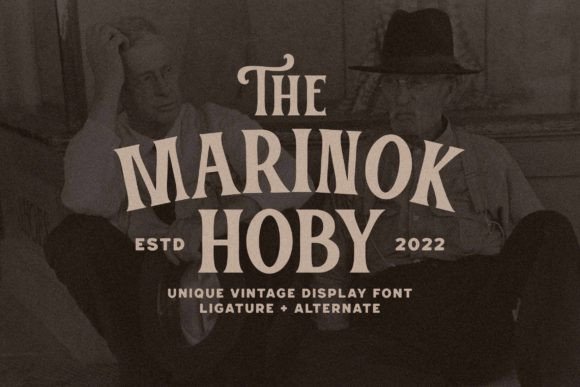
When it comes to creating visually striking designs, the right font can make all the difference. Marinok Hoby is a vintage display font that brings a nostalgic charm to any project. Inspired by classic labels and posters, this font captures the essence of old-world typography while offering modern versatility. Whether you're working on a logo, product packaging, or a poster, Marinok Hoby adds a unique flair that stands out.
Designers often seek fonts that not only look good but also tell a story. Marinok Hoby does just that. Its bold strokes and intricate details evoke the feel of vintage signage, making it ideal for projects that aim to convey authenticity and character. The font’s structure is reminiscent of 19th and early 20th-century typography, which was commonly used in advertisements, shop signs, and branding materials. By incorporating Marinok Hoby into your work, you can instantly give your design a retro aesthetic that resonates with audiences.
Key Features of Marinok Hoby
Marinok Hoby is more than just a stylistic choice—it’s a tool designed with functionality in mind. The font includes a wide range of characters, including uppercase and lowercase letters, numbers, and symbols, ensuring compatibility across various design applications. Its letterforms are carefully crafted to maintain readability even at smaller sizes, making it suitable for both large-scale displays and detailed text elements.
One of the standout features of Marinok Hoby is its ability to blend seamlessly with other typefaces. While it shines as a standalone display font, it also pairs well with more modern sans-serif or serif fonts, allowing for creative contrast in design compositions. This flexibility makes it a valuable addition to any designer’s toolkit, especially when working on branding projects that require a mix of traditional and contemporary elements.
The font’s weight and spacing are optimized for different use cases. For instance, it works exceptionally well for headlines and titles where a strong visual impact is needed. At the same time, its legibility ensures that it doesn’t compromise clarity in more detailed contexts, such as product descriptions or informational graphics.
Applications for Marinok Hoby
Martinok Hoby is particularly well-suited for projects that benefit from a vintage or artisanal feel. One of the most common uses is in logo design, where the font can help create a brand identity that feels authentic and memorable. Whether you’re designing a logo for a boutique coffee shop, a craft brewery, or an independent clothing line, Marinok Hoby offers a distinctive look that sets your brand apart.
Another popular application is in product packaging. In industries such as food, cosmetics, and handmade goods, the visual appeal of packaging plays a crucial role in attracting customers. Using Marinok Hoby on labels or packaging inserts can add a touch of nostalgia that appeals to consumers looking for quality and craftsmanship. It’s also a great choice for limited edition or seasonal products, where a vintage aesthetic can enhance the perceived value of the item.
Posters and promotional materials are another area where Marinok Hoby excels. Whether you’re creating a movie poster, event flyer, or advertising campaign, the font’s bold and expressive style can draw attention and communicate a sense of history or tradition. It’s especially effective when paired with vintage-style illustrations, photographs, or color schemes that reinforce the overall theme.
Why Choose Marinok Hoby?
There are many fonts available that attempt to replicate a vintage look, but Marinok Hoby stands out due to its attention to detail and historical accuracy. Unlike generic retro fonts that may lack personality, Marinok Hoby is designed with a deep understanding of classic typography. This means that each letterform carries a sense of authenticity that can elevate the quality of your design work.
For designers who want to avoid clichés and create something truly unique, Marinok Hoby offers a fresh approach to vintage styling. It’s not just about copying the past—it’s about reinterpreting it in a way that feels relevant and modern. This balance between old and new makes it a versatile choice for a wide range of projects.
Additionally, Marinok Hoby is easy to integrate into digital workflows. It’s available in multiple file formats, including OTF and TTF, ensuring compatibility with most design software. Many designers also appreciate the font’s clean and professional licensing terms, which allow for both personal and commercial use without unnecessary restrictions.
Best Practices for Using Marinok Hoby
To get the most out of Marinok Hoby, it’s important to consider how and where you use it. As a display font, it works best when used sparingly. Overusing it in large blocks of text can reduce readability and dilute its impact. Instead, focus on using it for headlines, subheadings, or key visual elements that benefit from its distinctive style.
Pairing Marinok Hoby with complementary fonts can also enhance its effectiveness. For example, combining it with a clean sans-serif like Helvetica or a classic serif like Times New Roman can create a balanced and professional look. Experimenting with different color combinations can further highlight the font’s characteristics, such as using warm tones to emphasize its vintage feel or cool tones for a more refined appearance.
When working on branding projects, consider how Marinok Hoby aligns with the overall visual identity. If your brand has a modern or minimalist tone, you might want to use the font in a subtle way, such as in a tagline or logo treatment. For brands with a more eclectic or artistic vibe, the font can be used more prominently to reinforce the desired aesthetic.
Finally, don’t be afraid to test Marinok Hoby in different contexts. Try using it in various design mockups, print samples, or digital layouts to see how it performs. This will help you understand its strengths and limitations, allowing you to make informed decisions about its use in your projects.