Melastoma: A Unique Display Serif Font Inspired by Nature
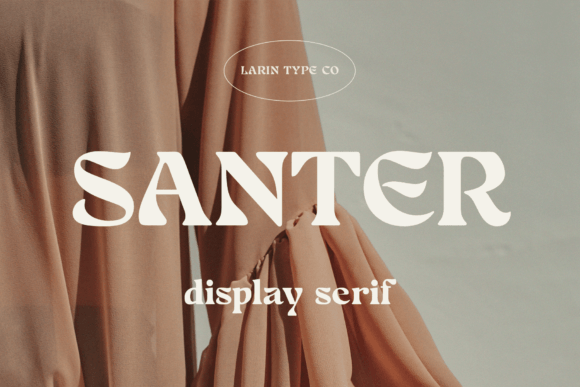
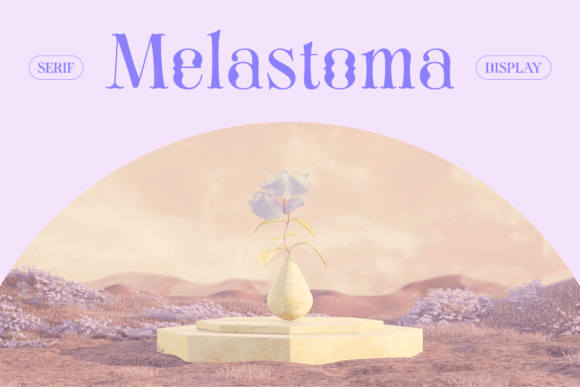
Melastoma is a striking display serif font that blends the elegance of typography with the natural beauty of a native plant from Taiwan. Designed with high-contrast strokes and curvilinear elements, Melastoma brings a refined aesthetic to any design project. Its inspiration comes from the Melastoma intermedium, a flowering plant known for its intricate petal shapes and delicate structure. This connection to nature not only gives the font a distinctive look but also adds a layer of meaning and storytelling to its use.
For designers, typographers, and creative professionals, Melastoma offers a fresh alternative to conventional fonts. It is ideal for projects that require a touch of sophistication, such as branding, editorial design, or visual identity work. The font’s unique characteristics make it stand out in a crowded market, helping to create a memorable and visually appealing outcome.
Understanding the Design of Melastoma
The design of Melastoma is deeply rooted in the form of Melastoma intermedium. The curves of the glyphs are inspired by the plant's petals, which feature smooth, flowing lines that contrast with the more structured elements of the typeface. This balance between organic and geometric shapes gives Melastoma its signature style. The high-contrast strokes add a sense of drama and movement, making the font suitable for headings, logos, and other prominent text elements.
The font’s stems also reflect the influence of the plant. Rounded petals with inward curves contribute to the softness of the overall design, while the thin stamens create a visual contrast that enhances readability. This combination of elements ensures that Melastoma is both aesthetically pleasing and functionally effective.
Challenges and Opportunities with Melastoma
One of the challenges when working with a display serif font like Melastoma is ensuring that it remains legible at smaller sizes. While the font excels in large-scale applications, such as headlines or titles, it may not be the best choice for body text. However, this limitation is also an opportunity—designers can use Melastoma strategically to draw attention and guide the viewer’s eye through a composition.
Another consideration is the context in which Melastoma is used. For example, a brand looking to convey a sense of elegance and refinement might find Melastoma to be an excellent fit. On the other hand, a more modern or minimalistic design might benefit from a different typeface. Understanding the goals and values of a project is essential in determining whether Melastoma is the right choice.
Practical Applications of Melastoma
Melastoma is particularly well-suited for projects that aim to evoke a sense of artistry and craftsmanship. It works well in luxury branding, where the font’s refined appearance can enhance the perception of quality. In editorial design, Melastoma can be used to highlight key sections of a publication, adding visual interest and hierarchy to the layout.
For digital media, Melastoma can be used in web design, social media graphics, or app interfaces. Its high-contrast strokes make it visually engaging, and its curvilinear forms add a sense of fluidity to the design. When paired with complementary typefaces, Melastoma can help create a cohesive and professional look.
How to Use Melastoma Effectively
To get the most out of Melastoma, it’s important to consider the following tips:
- Use it for emphasis: Apply Melastoma to headings, subheadings, or key phrases to draw attention and create visual impact.
- Pair it with simpler fonts: Combine Melastoma with a clean, sans-serif typeface to balance its ornate features and improve readability.
- Experiment with spacing: Adjust letter spacing and line height to ensure the font remains legible and aesthetically pleasing.
- Test it in different contexts: Try using Melastoma in various design scenarios to see how it performs and adapt it accordingly.
By understanding the strengths and limitations of Melastoma, users can make informed decisions about its application. Whether for print or digital use, the font has the potential to elevate a design and leave a lasting impression.
Considerations for Different Users
Users may approach Melastoma differently based on their specific needs and goals. A graphic designer working on a luxury fashion campaign might use the font to convey sophistication and exclusivity. In contrast, a marketing professional creating a promotional poster could use Melastoma to add a touch of creativity and visual appeal.
For those new to typography, Melastoma can serve as an introduction to the possibilities of display serif fonts. It encourages experimentation and helps users explore the relationship between form and function in design. Meanwhile, experienced designers might appreciate the font’s ability to add depth and character to their work.
Ultimately, the success of Melastoma in a project depends on how well it aligns with the overall vision and objectives. By focusing on the intended message and audience, users can harness the full potential of this unique typeface.
Conclusion
Melastoma is more than just a font—it’s a design statement that bridges the gap between nature and typography. With its high-contrast strokes, elegant curves, and thoughtful design, it offers a compelling option for those seeking a distinctive and meaningful typeface. Whether used in branding, editorial work, or digital media, Melastoma can help create a visually striking and emotionally resonant outcome.
By understanding the principles behind its design and considering its practical applications, users can make the most of Melastoma’s unique qualities. As with any design tool, the key to success lies in thoughtful implementation and a clear understanding of the project’s goals. With the right approach, Melastoma can become an essential part of any creative toolkit.