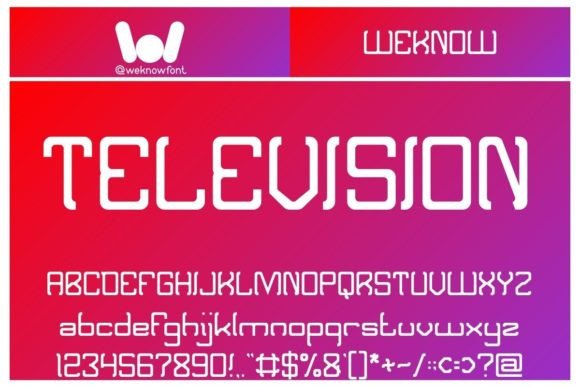
Television: A Unique and Interesting Display Font
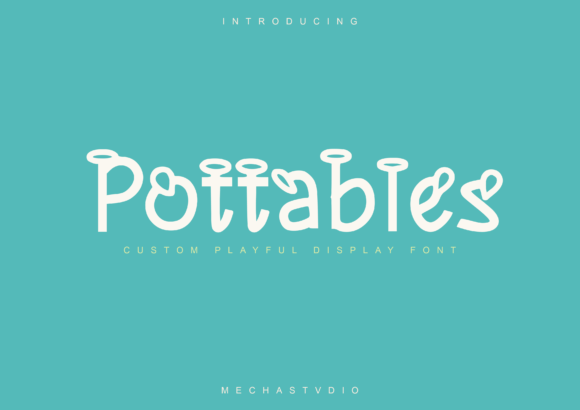
Television is more than just a word—it's a display font that captures attention with its distinctive character. Designed to stand out, this typeface blends a touch of whimsy with professional appeal, making it a versatile choice for a range of design projects. Whether you're creating a logo, designing a website, or crafting a marketing campaign, Television offers a fresh and memorable look that can elevate your visual identity.
In an era where typography plays a crucial role in branding and communication, Television provides a unique solution for those looking to differentiate their work. Its quirky yet refined style makes it ideal for creative industries such as advertising, graphic design, and digital media. By using Television, designers can add a sense of personality and originality to their designs without sacrificing readability or professionalism.
The Relevance of Television in Modern Design
As the design landscape continues to evolve, the demand for distinctive fonts has grown. With so many typefaces available, standing out requires a thoughtful approach to typography. Television meets this need by offering a font that is both eye-catching and functional. It works well in both digital and print formats, making it a valuable tool for designers across multiple platforms.
One of the reasons Television has gained attention is its ability to adapt to different contexts. From bold headlines to subtle body text, this font maintains its character while remaining legible. This flexibility makes it suitable for a wide range of applications, including web design, branding, and editorial layouts. Its unique aesthetic also resonates with modern audiences who appreciate creativity and individuality in visual communication.
Television in the Context of Current Trends
Today's design trends emphasize authenticity and personal expression. As consumers become more discerning, brands are seeking ways to connect with their audience on a deeper level. Television aligns with this shift by offering a font that feels both innovative and approachable. Its playful yet sophisticated nature allows it to fit seamlessly into contemporary design practices.
Moreover, the rise of digital content creation has increased the need for visually engaging materials. Whether it's social media posts, email newsletters, or online advertisements, Television can help create a strong visual presence. Its distinct style ensures that content stands out in a crowded digital space, making it a valuable asset for marketers and content creators alike.
The Evolution of Typography and the Role of Television
Typography has come a long way from its traditional roots. What was once a static art form has transformed into a dynamic and expressive medium. As technology advances, so do the possibilities for type design. Television reflects this evolution by combining classic typographic elements with a modern twist.
Designers today have access to a vast array of fonts, but not all of them offer the same level of uniqueness. Television fills a niche by providing a font that is both recognizable and unconventional. Its development responds to the growing demand for typefaces that break the mold while maintaining usability. This balance between creativity and functionality is what makes Television particularly appealing to professionals in the design field.
Practical Implications for Users and Creators
For designers and creatives, Television offers a powerful tool for expressing ideas and building brand identities. Its versatility allows it to be used in various design projects, from logos to packaging. When used effectively, it can convey a sense of innovation and confidence, which are essential qualities in today's competitive market.
Businesses can also benefit from incorporating Television into their branding efforts. A unique font can help a company stand out in a saturated market, making it easier for customers to remember and connect with the brand. Whether it's for a website, product label, or promotional material, Television adds a layer of distinction that can set a business apart from its competitors.
Realistic Examples and Recommendations
Consider a startup looking to establish a strong online presence. By using Television in their website's headline or logo, they can create a memorable visual identity that resonates with their target audience. Similarly, a designer working on a magazine layout might use Television for a feature section to draw readers' attention and add a touch of personality to the publication.
When using Television, it's important to consider the context and audience. While it works well for creative and modern projects, it may not be the best choice for formal or traditional settings. However, with careful application, it can enhance a wide range of design elements without overwhelming the overall composition.
Television and the Future of Visual Communication
As we move further into the digital age, the importance of visual communication will only continue to grow. Fonts like Television play a key role in shaping how information is presented and perceived. Their impact extends beyond aesthetics, influencing how audiences engage with content and interact with brands.
Looking ahead, the demand for distinctive and adaptable typefaces is likely to increase. Designers and businesses that embrace fonts like Television will be better positioned to meet the evolving needs of their audiences. By choosing a font that balances creativity with practicality, they can create more compelling and effective visual experiences.